
Best Bunk Beds & Loft Beds for Kids 2026: Buying Guide
By THRYV Editorial Team
Affiliate disclosure: We may earn a commission when you buy through links on this page. This never affects our recommendations. Read our full disclosure.
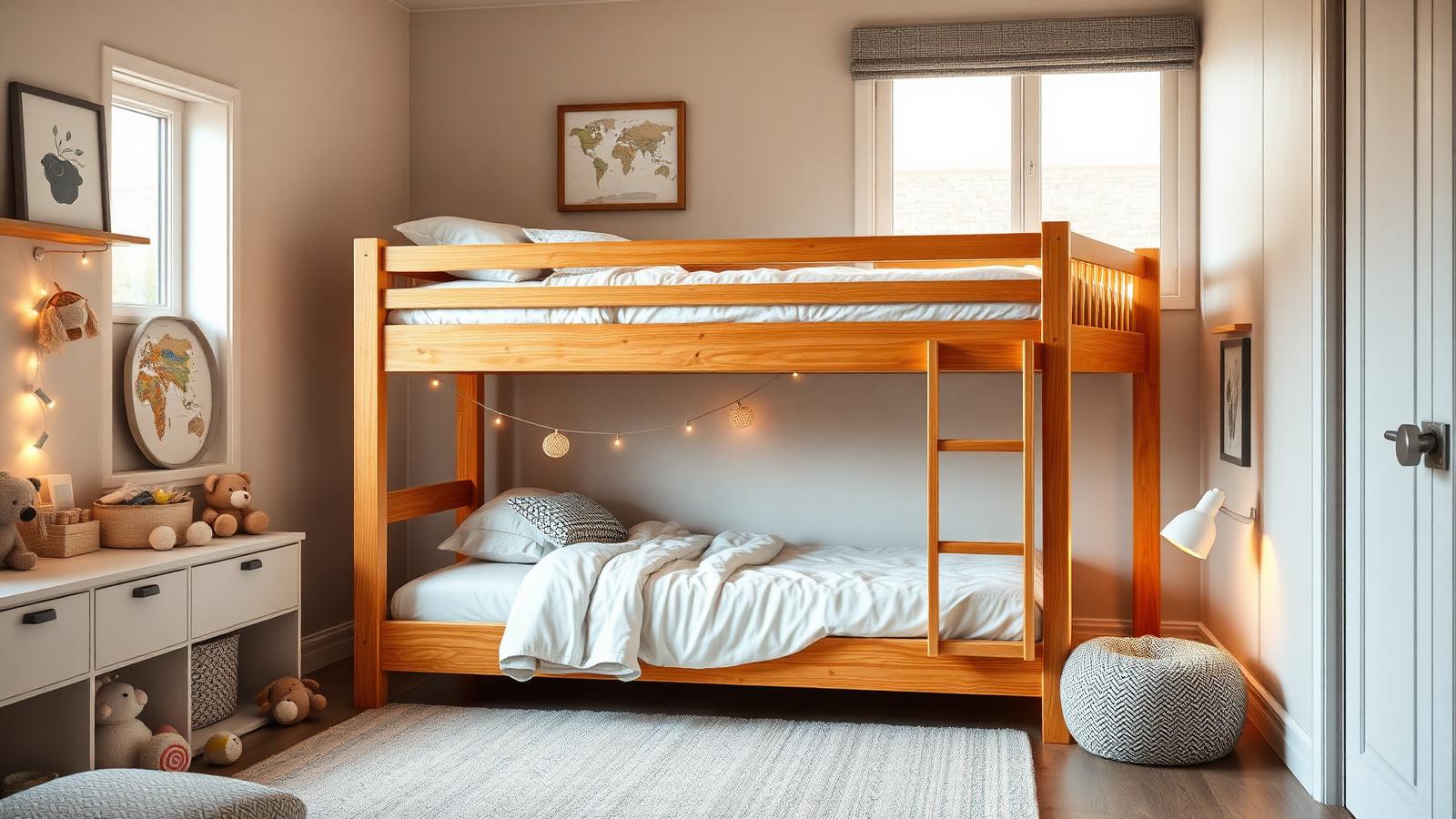
A kids' bunk bed is one of the higher-stakes furniture buys in a family home. It has to hold weight predictably for years, survive rough use, meet real safety standards, and — if you are in a shared bedroom — actually fit under an eight-foot ceiling once the mattress is in. This guide walks through what to look for in 2026, which brands are worth putting on a shortlist (Max & Lily earns a spot), and the corners we would not cut.
Safety standards to look for
In North America, bunk beds sold for children should comply with the ASTM F1427 standard and the CPSC bunk-bed regulation (16 CFR 1213 / 1513). These cover guardrail height, opening sizes, ladder stability and the maximum mattress thickness allowed on the upper bunk. Any bed sold new by a reputable retailer will meet these, but the compliance is the floor, not the ceiling — some beds meet the standard on paper but feel wobbly in use.
Solid wood vs metal vs engineered board
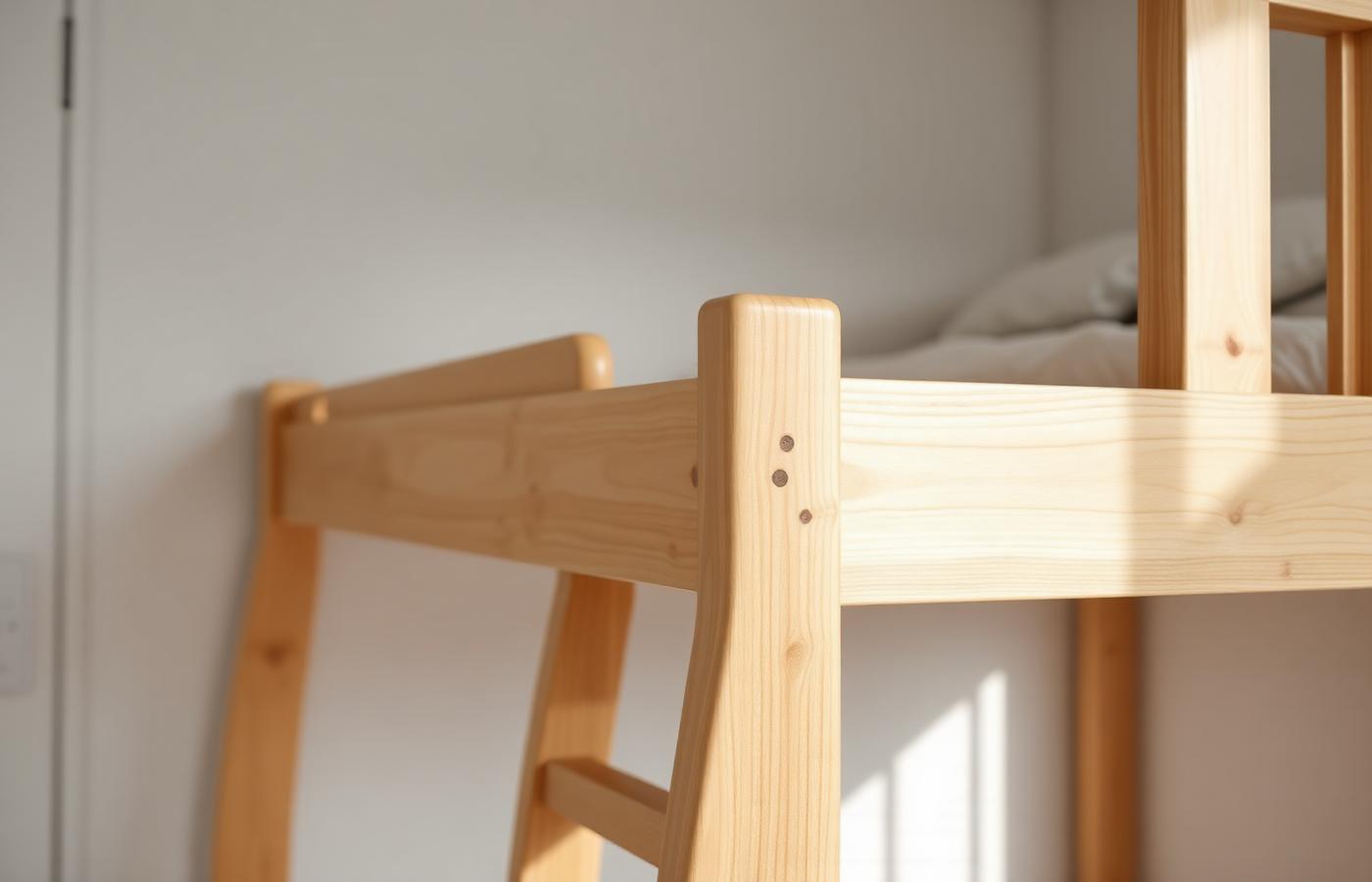
Solid hardwood (typically pine or New Zealand pine at this price level) is the most forgiving material for kids' beds. It flexes slightly under load, dents rather than cracks, and takes screws repeatedly without stripping — which matters if you ever move house or reconfigure into two single beds. Metal frames are cheaper and lighter but tend to develop noise over time at every joint. Engineered board (MDF, particleboard) is fine for low-load furniture but is the wrong material for a bunk — the fasteners loosen and the panels sag.
Bunk vs loft — which one fits your room
| Configuration | Best for | Watch for |
|---|---|---|
| Twin over twin bunk | Two kids sharing | Ceiling clearance for the upper bunk |
| Twin over full bunk | Guest space + sibling | Weight rating on the upper frame |
| Loft (single bunk over desk/storage) | One child, small room | Desk depth once chair is pulled out |
| Trundle bunk | Occasional guests / sleepovers | Trundle depth vs floor clearance |
Brands worth putting on the shortlist
Max & Lily is the brand we point most parents to first, especially for solid-wood twin-over-twin and loft configurations. Their beds are built from New Zealand pine, meet the relevant safety standards, and — the specific thing that matters — the upper-bunk guardrails are tall enough that a restless sleeper cannot easily roll over them. The finish quality is consistently good at the price point.
Beyond Max & Lily, we would put Donco and Walker Edison in the same shortlist range for solid-wood construction. IKEA's bunks are competent and safety-compliant but the material is lighter and the joinery does not survive multiple disassemblies as well. We would skip the anonymous marketplace listings — the ones with a rotating cast of brand names — regardless of the review count.
- Solid-wood bunks generally last through two kids
- Convertible-to-two-singles designs recover resale value
- Under-bunk storage adds meaningful room capacity
- Assembly is a genuine two-person job, plan for 2–3 hours
- Upper mattress selection is restricted by the frame's max thickness
- Ceiling clearance is the constraint people underestimate
Mattress choice matters more than you'd think
The upper bunk has a maximum allowable mattress thickness — usually around 6 to 8 inches — set by the guardrail height. A thicker mattress raises the sleep surface above the rail and defeats the safety design. Check the frame spec before you buy the mattress, not after.
Assembly and long-term use
Budget a full afternoon for assembly with two adults. Every six to twelve months, re-torque the main bolts — kids' beds loosen from movement, not from defects. Do not overload upper bunks; the weight ratings are honest and they exist for structural reasons, not liability.
Our take
For most families, a solid-pine twin-over-twin bunk from Max & Lily or an equivalent specialist brand is the buy. Pay for solid wood, verify the safety standard on the product page rather than assuming it, and measure your ceiling before you measure anything else.
Ready to look at current pricing?
See the Max & Lily bunk bed range at maxandlily.comTHRYV Editorial reviews are researched from manufacturer specifications, current pricing across major retailers, and long-form user feedback from owner forums and verified reviews. We do not operate a physical testing lab and we do not claim to. When we have direct experience with a product we say so; when we do not, we make that clear. Recommendations are editorially independent and are never traded for placement.